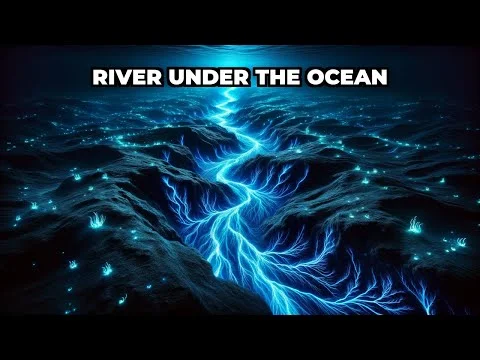
What Lives at the Bottom of the Mariana Trench?
March 27, 2026
What Lives at the Bottom of the Mariana Trench?
The bottom of the Mariana Trench, Earth’s deepest point at nearly 36,000 feet below sea level, hosts remarkable life including snailfish, giant single-celled xenophyophores the size of dinner plates, and unfortunately, human plastic waste.
The Extreme Environment of Challenger Deep
The Mariana Trench plunges nearly 7 miles into the Pacific Ocean, creating an environment so extreme that Mount Everest could fit inside it with room to spare. At this depth, the pressure reaches over 1,000 times greater than at sea level—equivalent to having 50 jumbo jets pressing down on every square meter. Temperatures hover just above freezing, and sunlight has never penetrated these depths, creating a world of perpetual darkness.
Surprising Marine Life in the Abyss
Despite these seemingly impossible conditions, life thrives in the deepest parts of our planet. Scientists have discovered snailfish living at depths exceeding 26,000 feet, making them among the deepest-living vertebrates ever recorded. These translucent fish have evolved specialized proteins that prevent their cellular structures from collapsing under extreme pressure.
Giant Single-Celled Organisms
Perhaps most remarkable are the xenophyophores—massive single-celled organisms that can grow to the size of dinner plates. These mysterious creatures challenge our understanding of cellular biology, as most single cells are microscopic. They create intricate shells from surrounding sediment and play a crucial role in the deep-sea ecosystem by providing habitat for smaller organisms.
The Disturbing Presence of Human Pollution
One of the most sobering discoveries in the Mariana Trench is the presence of microplastics and other human debris. Even in the most remote and unreachable place on Earth, human impact is evident. Plastic fragments, chemical pollutants, and other waste have found their way to depths where the pressure would instantly crush an unprotected human being.
Scientific Exploration and Discovery
Advanced submersibles and remotely operated vehicles (ROVs) equipped with specialized cameras and sampling equipment have made these discoveries possible. Each expedition to the Mariana Trench reveals new species and expands our understanding of life’s limits. The extreme conditions serve as analogs for potential life on other planets, making these discoveries relevant to astrobiology research.
Ongoing Mysteries of the Deep
Scientists estimate that we’ve explored less than 5% of our oceans, and the deepest trenches remain largely mysterious. New species are regularly discovered in these depths, and many organisms observed during deep-sea expeditions remain unnamed and unstudied. The Mariana Trench continues to challenge our assumptions about where and how life can exist on Earth.
FREQUENTLY ASKED
How deep is the Mariana Trench? ▾
The Mariana Trench reaches a maximum depth of approximately 36,200 feet (11,034 meters) at Challenger Deep, making it the deepest known point in Earth's oceans.
Can humans survive the pressure at the bottom of the Mariana Trench? ▾
No, the extreme pressure at the bottom of the Mariana Trench—over 1,000 times greater than at sea level—would instantly crush an unprotected human body.
What do fish eat in the Mariana Trench? ▾
Fish in the Mariana Trench feed on marine snow (falling organic matter), bacteria, and smaller organisms, as no photosynthesis occurs at these lightless depths.