Could Life on Earth Have Started Inside Volcanoes Instead of Oceans?
March 30, 2026
Scientists have discovered ancient organisms called extremophiles living inside active volcanoes, suggesting that life on Earth may have originated in volcanic environments rather than the primordial oceans as traditionally believed.
Extremophiles: Life in Earth’s Most Hostile Environments
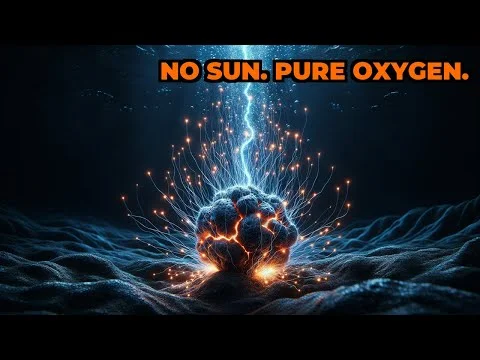
These remarkable organisms thrive in conditions that would instantly kill most life forms. Inside active volcanoes, extremophiles endure temperatures exceeding 250°F (121°C), complete absence of sunlight, no oxygen, and exposure to toxic gases like hydrogen sulfide. Rather than merely surviving these hellish conditions, they actually depend on them for sustenance.
What makes these discoveries particularly fascinating is how these organisms feed. Unlike most life on Earth that relies on photosynthesis or oxygen-based metabolism, volcanic extremophiles consume sulfur compounds and toxic gases directly. They’ve essentially turned poison into food, representing a completely different approach to survival that challenges our fundamental understanding of what life requires.
Ancient Origins and Evolutionary Significance
Genetic analysis reveals that these volcanic organisms are among the most ancient life forms on Earth. Their DNA suggests they may be direct descendants of the very first living creatures that emerged on our planet billions of years ago. This genetic antiquity provides a potential window into what early life looked like and how it functioned.
The implications are staggering. If these extremophiles represent the original form of life, then the traditional theory that life began in warm, shallow oceans enriched by lightning strikes may be fundamentally incorrect. Instead, the harsh, chemically rich environment of volcanic vents could have been the actual cradle of life.
Rewriting the Textbooks
This discovery forces scientists to reconsider long-held assumptions about the conditions necessary for life to emerge. The traditional model required relatively gentle environments with liquid water, moderate temperatures, and protective conditions. The volcanic origin theory suggests life is far more resilient and adaptable than previously imagined.
The evidence supporting volcanic origins includes the chemical signatures found in these ancient organisms, their metabolic pathways that mirror what would be expected in early Earth’s volcanic environment, and their apparent evolutionary precedence over other life forms.
Implications for Life Beyond Earth
Perhaps most exciting is what this means for astrobiology. Jupiter’s moon Io, covered in active volcanoes and lacking the “habitable zone” conditions scientists typically search for, suddenly becomes a candidate for harboring life. If life doesn’t require paradise but merely “a crack in the rock” with the right chemical conditions, the universe may be far more populated with living organisms than we ever imagined.
This research expands our definition of habitable environments throughout the cosmos, suggesting that volcanic worlds previously dismissed as too hostile might actually be perfect incubators for life.
The Future of Origin Research
These findings represent just the beginning of a potentially revolutionary shift in origin-of-life research. As scientists continue studying these volcanic extremophiles, they’re uncovering metabolic processes and genetic markers that could provide crucial clues about how complex life evolved from simple chemical reactions.
The discovery reminds us that life finds a way to exist in the most unexpected places, often thriving in conditions we consider impossible for survival.
FREQUENTLY ASKED
What are extremophiles and where do they live? ▾
Extremophiles are organisms that thrive in extreme environmental conditions like active volcanoes, surviving without oxygen or sunlight while feeding on toxic gases like hydrogen sulfide.
How do scientists know these volcanic organisms are ancient? ▾
Genetic analysis shows these extremophiles have DNA signatures indicating they're among Earth's most ancient life forms, potentially representing direct descendants of the first living creatures.
Could there be life on other volcanic worlds? ▾
Yes, the discovery suggests that volcanic environments like those on Jupiter's moon Io could potentially harbor life, expanding our search for extraterrestrial organisms beyond traditional habitable zones.