Can Life Exist Inside Active Volcanoes?
March 30, 2026
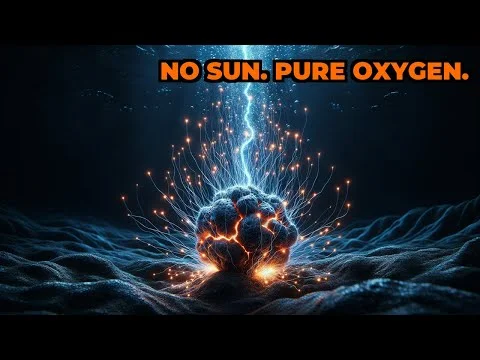
Yes, life does exist inside active volcanoes in the form of extremophile organisms that thrive in conditions previously thought impossible for life. These ancient microorganisms survive without oxygen or sunlight, feeding directly on toxic gases and sulfur compounds.
What Are Extremophiles?
Extremophiles are organisms that flourish in extreme environments where most life forms would instantly perish. The volcanic extremophiles discovered by scientists represent some of the most resilient life forms on Earth, capable of withstanding temperatures exceeding 100°C (212°F), crushing pressure, and highly acidic conditions with pH levels below 2.
These remarkable organisms don’t just survive in volcanic environments—they actively thrive there. They obtain energy through chemosynthesis, converting hydrogen sulfide, sulfur dioxide, and other toxic volcanic gases into usable nutrients. This process occurs completely independent of photosynthesis, making these creatures entirely self-sufficient in their hellish habitat.
Ancient Origins and Evolutionary Significance
Genetic analysis reveals that volcanic extremophiles are among the most ancient life forms on Earth, with evolutionary lineages dating back billions of years. Their primitive genetic structures suggest they may represent direct descendants of the earliest life forms that emerged on our planet.
This discovery challenges the traditional “primordial soup” theory, which proposed that life began in warm, shallow oceans struck by lightning. Instead, evidence increasingly points toward volcanic hydrothermal vents as the cradle of life—environments rich in chemical energy and protected from the harsh surface conditions of early Earth.
Rewriting the Origin of Life
The existence of these organisms fundamentally challenges our understanding of how and where life began. If volcanic environments served as Earth’s first nurseries for life, it would require rewriting biology textbooks worldwide. The chemical gradients, mineral surfaces, and energy sources found in volcanic systems provide ideal conditions for the complex chemistry needed to spark life.
These findings also suggest that the building blocks of life—amino acids, nucleotides, and lipids—could form naturally in volcanic environments without requiring the specific conditions previously thought necessary.
Implications for Astrobiology
The discovery has profound implications for the search for extraterrestrial life. Jupiter’s moon Io, which hosts over 400 active volcanoes, suddenly becomes a compelling target for astrobiological investigation. Other volcanic worlds throughout the solar system, including Mars’ ancient volcanic regions and Saturn’s moon Enceladus, may harbor similar life forms.
This research expands the definition of habitable zones beyond the traditional “Goldilocks zone” around stars. Life may exist in far more environments than previously imagined, requiring only chemical energy sources and liquid water—conditions that exist in volcanic systems throughout the universe.
The Future of Extremophile Research
Scientists continue studying these remarkable organisms to understand their unique biochemistry and evolutionary history. Their enzymes and metabolic pathways offer potential applications in biotechnology, including industrial processes that operate under extreme conditions.
As research progresses, these volcanic life forms may prove to be not just curiosities, but windows into the fundamental processes that gave rise to all life on Earth—and possibly beyond.
FREQUENTLY ASKED
How do organisms survive inside volcanoes without oxygen? ▾
Volcanic organisms use chemosynthesis instead of photosynthesis, converting toxic gases like hydrogen sulfide into energy without requiring oxygen or sunlight.
Are volcanic extremophiles the oldest life forms on Earth? ▾
Genetic evidence suggests they are among the most ancient organisms, with evolutionary lineages potentially dating back to Earth's earliest life forms billions of years ago.
Could similar life exist on other planets with volcanoes? ▾
Yes, volcanic worlds like Jupiter's moon Io or Mars could potentially harbor similar extremophile organisms, expanding the possibilities for extraterrestrial life.