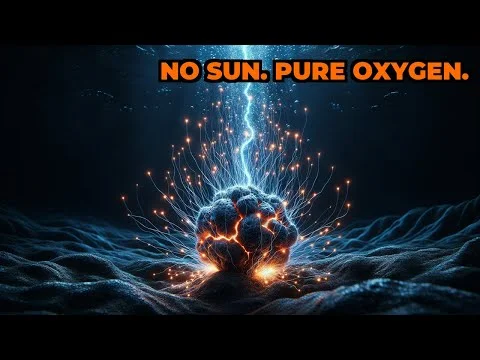
Can Fungus Really Eat Radiation and Survive in Space?
April 6, 2026
Yes, certain fungi can literally consume radiation as an energy source, with the most famous example being the black fungus discovered thriving inside Chernobyl’s damaged reactor. These remarkable organisms, called radiotrophic fungi, convert deadly gamma radiation into usable energy through a process involving melanin pigments.
The Chernobyl Discovery
In the late 1990s, scientists made an astonishing discovery inside the ruins of Chernobyl’s Reactor 4. Growing on the radioactive walls were thick patches of black fungus, not just surviving but actually thriving in one of the most contaminated places on Earth. The fungus, primarily Cladosporium sphaerospermum, was found in areas with radiation levels hundreds of times higher than normal background radiation.
What made this discovery even more remarkable was that the fungus appeared to be growing toward the radiation source, suggesting it was actively seeking out gamma rays rather than merely tolerating them.
How Radiotrophic Fungi Work
These fungi achieve their radiation-eating ability through radiosynthesis, a process similar to photosynthesis but using ionizing radiation instead of sunlight. The key component is melanin, the same pigment that gives human skin and hair its color. In these fungi, melanin acts as a kind of solar panel for radiation, capturing gamma rays and converting them into chemical energy.
The melanin-rich cell walls absorb radiation and use it to drive metabolic processes, essentially turning deadly gamma rays into fuel for growth and reproduction. This process allows the fungi to thrive in environments that would be instantly lethal to most other life forms.
Space Applications and ISS Findings
The discovery of radiotrophic fungi has captured the attention of space agencies worldwide. These organisms have been found aboard the International Space Station, where they demonstrate remarkable resistance to the harsh conditions of space, including cosmic radiation, extreme temperatures, and vacuum exposure.
NASA and other space agencies are investigating whether these fungi could serve as biological shields for long-duration space missions. The concept of “living armor” involves cultivating layers of radiotrophic fungi on spacecraft hulls to absorb cosmic radiation that poses serious health risks to astronauts during deep-space travel.
Implications for Life and Astrobiology
The existence of radiotrophic fungi fundamentally challenges our understanding of life’s energy requirements. For decades, scientists believed that life on Earth depended ultimately on either sunlight (photosynthesis) or chemical energy sources. The discovery that organisms can thrive on radiation opens entirely new possibilities for life in extreme environments.
This finding has profound implications for astrobiology and the search for life beyond Earth. Planets and moons with high radiation environments, previously considered uninhabitable, might actually harbor similar radiation-consuming organisms. The fungi’s ability to survive in space conditions also suggests that life might be more resilient and widespread in the universe than previously thought.
Future Research and Applications
Scientists continue studying these remarkable organisms for potential applications in bioremediation, space exploration, and even medical treatments. Research focuses on understanding the exact mechanisms of radiosynthesis and whether these properties can be enhanced or replicated in other organisms.
The fungus represents a fascinating example of life’s incredible adaptability and may hold keys to humanity’s future expansion into the cosmos.
FREQUENTLY ASKED
How dangerous is the radiation where these fungi grow? ▾
The radiation levels in Chernobyl's reactor where these fungi thrive are hundreds of times higher than normal background radiation and would be lethal to humans within hours of exposure.
Could these fungi help clean up radioactive contamination? ▾
Potentially yes - scientists are researching whether radiotrophic fungi could be used for bioremediation to help break down radioactive materials in contaminated areas.
Are there other organisms that can survive extreme radiation? ▾
Yes, certain bacteria like *Deinococcus radiodurans* can survive extreme radiation doses, but radiotrophic fungi are unique in actually using radiation as an energy source for growth.